75% of my new customers call me after an incident has happened. Stop being a victim, and be productive. #disaster #BDR #hacker
Tuesday, November 22, 2022
Friday, November 18, 2022
Trust – Small Business Nightmare
The Case for Trust-Building as a Small Business (It’s Not Just for Enterprises)
There is a strong connection between trust and prosperity. In fact, when trust levels are high, businesses tend to grow faster. According to McKinsey and Company, Harvard Business Review, Forrester Research and many other reputable organizations, trust is the connecting fabric upon which innovation and business success are built.
You might think that trust-building isn't crucial for small to medium-sized businesses (SMBs), but it is critical if you want to achieve your business objectives and keep your employees and customers satisfied. While you might not expect a technology company like ours to discuss trust, we care about your business objectives and believe it is essential for your people, processes and technology.Building trust is essential for any organization, whether it's a startup or a Fortune 500 company. It gives employees the confidence to take chances and innovate, gives customers the confidence to buy from and collaborate with you, and gives partners the confidence to do business with you. But how do you create a foundation for trust?
Leverage processes and technology
Building trust is not easy, and it often takes time and effort to develop. Luckily, there are a few things companies can do to succeed.
Integrate technologies
Technology integration is one of the most important considerations for businesses today. Not only do neatly integrated technologies save time and serve as a reliable foundation, they can also reduce friction within your company. Inefficient or incompatible technologies can create chaos and confusion, slowing down workflows and damaging productivity.
If you take the time to select and integrate the right technologies, it can make all the difference in terms of organizational efficiency and success.
Deploy thoughtful processes
Thoughtful processes that consider the user experience can reduce confusion and opportunities for conflict and make it easier for employees to work for you. Friction arises when an individual’s expectations do not match the actual experience. When this occurs, it can lead to conflict as people attempt to shift responsibility or blame.
Thoughtful processes can help ensure that everyone’s expectations are met, minimizing the chances of a conflict.
Secure data
When it comes to organizational data breaches, customers and employees are quick to lose trust in companies that can’t protect their sensitive data. Implementing measures to secure your customer and employee data is one way to help rebuild trust. In doing so, you are not only protecting your customers and employees, but also your bottom line.

Volkswagen Group of America recently confirmed a data breach that occurred in 2021.* The data breach, which affected approximately three million customers, resulted in the theft of customer names, email addresses and vehicle identification numbers. The company had to spend a lot of money on recovery, but how many SMBs can afford that?
What's more concerning is that the Volkswagen data breach is just the latest in a long series of cybersecurity incidents, with more likely to follow in the coming years.
Choose the right partner
Since trust-building can be so challenging for SMBs to handle alone, collaborating with a managed service provider (MSP) like us is the best option. MSPs can help with tasks such as disaster recovery, compliance, security and much more. Working with an MSP such as us will allow you to concentrate on your core competencies, safe in the knowledge that your customers' data is secure.
Feel free to reach out for a no-obligation consultation.
To dig deeper into the topic, download our infographic titled “Why Businesses Should Make Trust-Building a Priority” by clicking call us at (508)381-8307 or email us at sales@avantinetworks.com.
https://avantinetworks.com/trust-small-business-nightmare/
Tuesday, November 1, 2022
Data Loss Disasters Come in Many Forms
If we’ve learned anything from the COVID-19 pandemic, it’s that we don’t have it all figured out. Not only are we vulnerable as a species, but so are the systems, processes and devices we’ve built. Natural and human-made disasters as well as other contingencies can still cause significant damage and bring businesses to a grinding halt.
Now is the time for companies, both big and small, to take steps to ensure business continuity and natural-disaster resilience. In this increasingly digitized world, backup and disaster recovery (BCDR) must be a top priority for businesses because the repercussions of even a single data loss incident could be fatal.
Imagine if you were a health service provider, for example, and you ended up losing all patient data after a fire burned away your on-premises backup device. An incident like that could cause irreparable damage to your business.
In this post, we will break down different types of data loss disasters, how to prepare for them and how to leverage BCDR to meet and maintain regulatory compliance obligations.

The Many Forms Data Loss Can Take
From natural disasters like hurricanes and floods, to cybersecurity threats such as malware infections, data loss disasters come in many forms. Let’s analyze each type and learn how to plan and prepare for them.
Natural Disasters
This covers everything from storms, hurricanes and floods to fires, tsunamis and volcano eruptions. In most cases, you can expect infrastructural damages, power failure and mechanical failures, which could then lead to data loss.
Hardware and Software Malfunctioning
Software and hardware failure can cause data loss if you don’t have BCDR measures in place. It could be due to bugs, glitches, configuration errors, programmatic errors, component failures or simply because the device is at its end of life or the software is outdated.
Unforeseen Circumstances
Data loss can happen due to random, unexpected scenarios. For instance, a portable hard disk held by one of the employees could get stolen, your server room may have a water leak because of a plumbing issue or there could even be a pest infestation in one of your data centers.
Human factor
Aberdeen Research found that everyday human errors cause nearly 64% of data loss incidents. These errors range from accidental file deletions and overwriting of existing files, to naming convention errors, forgetting to save or backup data, or spilling liquid on a storage device.

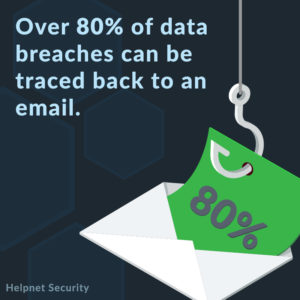
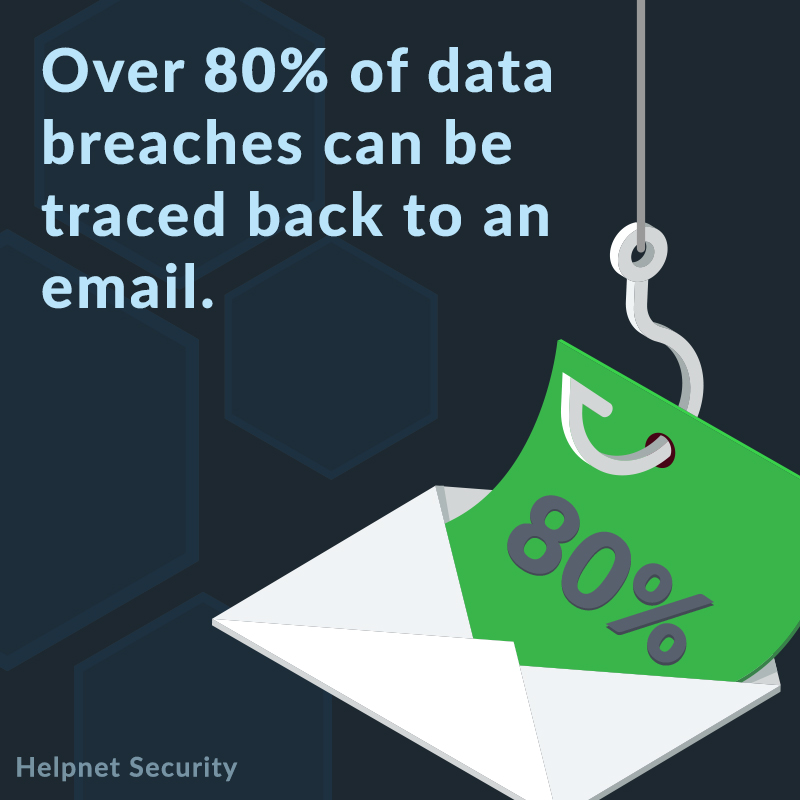
80 percent of breaches can be traced to email
Cyberthreats
Your business may fall prey to malware, ransomware and virus attacks, which could leave your data and backups corrupt and irrecoverable. Additionally, data loss could be caused by malicious insiders with unauthorized access, which often goes under the radar. A recent study shows that employee action is involved in up to 23% of all electronic crime events.
How to Plan and Prepare for Data Loss Disasters
As you can see, data loss disasters can manifest in a wide variety of ways. The key is to be proactive and plan for these disasters. Don’t wait for disaster to strike. Here are a few tips to help you get started:
- Perform a business impact analysis and draft a plan on how to recover key functions in the event of a disaster.
- Define an acceptable Recovery Point Objective and Recovery Time Objective.
- Set up a business continuity team that will take charge during a disaster.
- Train your staff in backup management and data recovery.
- Back up critical business data off-site and on the cloud.
- Conduct threat analysis and define recovery steps for each threat.
- Perform frequent security audits and mock drills to review the efficiency of your disaster response.
- Keep the plan up to date and make sure everyone on the team knows their role.
- Banking information should be stored in a way that it can be accessed quickly and securely in the event of a disaster.
- Invest in a robust backup and disaster management solution that is frictionless, secure, offers SaaS data backup and doesn’t require extra hardware or network bandwidth.
- Make sure you have a remote monitoring tool.
- Employ waterless fire protection systems, moisture sensors, surge protectors and backup battery systems.
Leverage BCDR to Achieve and Maintain Regulatory Compliance Obligations
Data loss prevention is not the only advantage of taking backup and disaster recovery seriously. Getting a robust BCDR solution that offers constant monitoring of backup activity, advanced threat detection, immutable audit logs, access control requirements, data retention rules, and infrastructure or storage controls will make it much easier for you to meet compliance obligations applicable to your business.
Data loss disasters are inevitable. But you can minimize their impact by making BCDR a critical component of your business continuity and resilience plans. Not sure how to get started? We can help. Contact us to get more information on how to build a reliable disaster recovery plan.
Everyday human errors account for up to 64% of data loss incidents. Employees inevitably delete the wrong email, contacts, or critical configurations.
https://avantinetworks.com/data-loss-disasters-come-in-many-forms-2/
Tuesday, October 25, 2022
Why Your Business Needs a Data Security Policy

80 percent of breaches can be traced to email
Today, the competitive business environment is data-driven. Data provides key insights into your customers and business performance that helps you make better decisions and improve processes. However, the sudden influx of employees working remotely exposes your organization’s information to several security threats.
According to the FBI, cybersecurity complaints increased from 1,000 to 4,000 complaints daily during the COVID-19 pandemic. The growing number of data breaches only validates that data security should be a top priority.
Data Security Versus Data Privacy
A well-crafted data security policy is critical to protecting your organization’s data from unauthorized access. It is important to understand the difference between data security and data privacy to develop a clearly defined data security policy. Data security is the process of securing sensitive information, such as company and customer data, from unauthorized access and exploitation. On the other hand, data privacy, also known as information privacy, is the process of managing how information is collected, used, stored and disseminated by an organization.
Risks and Consequences of Not Having a Data Security Policy
Despite the growing number of data breaches, most small and midsized businesses do not have well-established data security policies. The lack of a data security program opens the door to a wide variety of security risks, such as data theft, data tampering and unauthorized access to sensitive information. The impact of a single data breach can be much more devastating and result in huge financial loss. It can also have the following serious consequences:
Damage Brand Reputation: A security breach can tarnish your brand’s image and drive away potential customers. Your customers will lose trust and confidence in your company.
Disrupt Business Operations: The period of downtime from the moment a security incident occurs, right up to restoration, significantly affects business operations, leading to low productivity, revenue loss and unhappy customers.
Legal Implications: Organizations that fall victim to data breaches face serious consequences including fines, legal action and compensation to customers.
Loss of Intellectual Property: A data breach not only puts your company and customer information at risk, but you also run the risk of losing patents, blueprints and other certifications.
Proactive and Preventative Strategies to Protect Your Data
The truth is anyone can become a victim of data breaches. The costs of recovering your compromised data can be greater than taking proactive measures to prevent breaches from occurring in the first place.
Protecting your organization’s most valuable asset requires far more than an IT security program. Having a well-documented information security policy in place is an important step to protect sensitive data and minimize threats. Apart from setting up the policy, you should constantly communicate guidelines and best practices for data protection across your organization.
Understanding the Key Elements of a Data Security Policy
It is critical to identify both internal and external risks that could disrupt business operations in order to establish a robust data security policy. Here are some key elements your company’s data protection policy should include:
Data Privacy: As businesses gather massive amounts of customer information, it is extremely important to ensure confidential data records are safeguarded from prying eyes and opportunistic scammers. Having a data privacy policy in place will not only help you stay compliant with regulations but will also help prevent malicious misuse of your clients’ sensitive data.
Password Management: According to the 2020 Data Breach Investigations Report, over 80 percent of data breaches due to hacking are password-related. It is vital that you implement a strong password management policy for all users who have access to your company’s resources so as to mitigate the risks of security breaches. The policy should state the importance of periodically updating passwords, how to manage and secure passwords, and the implications of not adhering to the policies and procedures.
Internet Usage: Businesses today rely heavily on the internet for their day-to-day operations, which also makes them vulnerable to several security risks. Therefore, it’s important to have an internet usage policy to guide your employees on how to securely access the internet. Your employees should be made aware that browsing restricted sites and downloading unnecessary files are prohibited and failing to adhere to these rules can be detrimental.
Email Usage: In the 2019 Data Breach Investigations Report, 94 percent of malware was delivered through email. A carefully outlined email policy will protect your employees and organizations from threats related to malicious emails. Training programs on email etiquette will ensure corporate emails are responsibly used and confidential client-related information is secured and protected.
Company-Owned and Personal Employee Devices: The sudden shift to remote working has dramatically increased the level of security risks. Having a company-owned device policy will help in managing, monitoring and securing both the device and the information on it from unauthorized access and data theft.
As personal employee devices are used for both recreational and business purposes, it’s difficult to monitor and control personal devices, which can be easily exploited. By outlining a comprehensive information security policy, such as using up-to-date software, connecting to the network through secure VPN and immediately reporting if the device is lost or stolen, you can minimize the risks of data breaches.
Software User Agreements: Every software user should comply with the end-user license agreement. Breaching this agreement could result in lawsuits and fines. A software user agreement policy will ensure your employees are using only those software applications that are legal and approved by your company.
Reporting Security Breaches: A security incident can occur when you least expect it. Data breaches should be immediately reported to minimize negative impacts and prevent further attacks. A data breach policy will guide your employees on what actions need to be taken to manage data breaches. It will also ensure your employees follow appropriate procedures while reporting such incidents.
Conquer the Challenge of Data Policies
For any organization, data is a valuable asset that needs to be protected at all costs. Adding to the challenge are the constantly evolving and complex data privacy regulations that every business should comply with.
To find out how you can secure your data while staying compliant with regulations, contact us now.
Article curated and used by permission.
https://thehill.com/policy/cybersecurity/493198-fbi-sees-spike-in-cyber-crime-reports-during-coronavirus-pandemic
https://avantinetworks.com/why-your-business-needs-a-data-security-policy/
Friday, July 29, 2022
Do you know who’s clocking your MRIs?
Friday, July 22, 2022
Do you know who’s clocking your MRIs?
Friday, July 15, 2022
Do you know who’s clocking your MRIs?
Watch this webinar, hosted by security experts from HIMSS and Bitdefender, to reduce security risks with practical solutions. https://partner-marketing.bitdefender.com/web/nh5ep8gr1lzi
Disaster Recovery
Disaster Recovery
-
Disaster Recovery
-
Disaster Recovery
-
Taking care of our customers is our priority. Call us at (508)381-8307 to service your needs #B2BTechnology #computerrepair #networks #cy...